Stein Country: The German History of The Darling Downs
We take a look back at the forgotten History of the Darling Downs and how early German settlers and German culture have been part of this region for over 170 years - profoundly shaping it into what it is today.
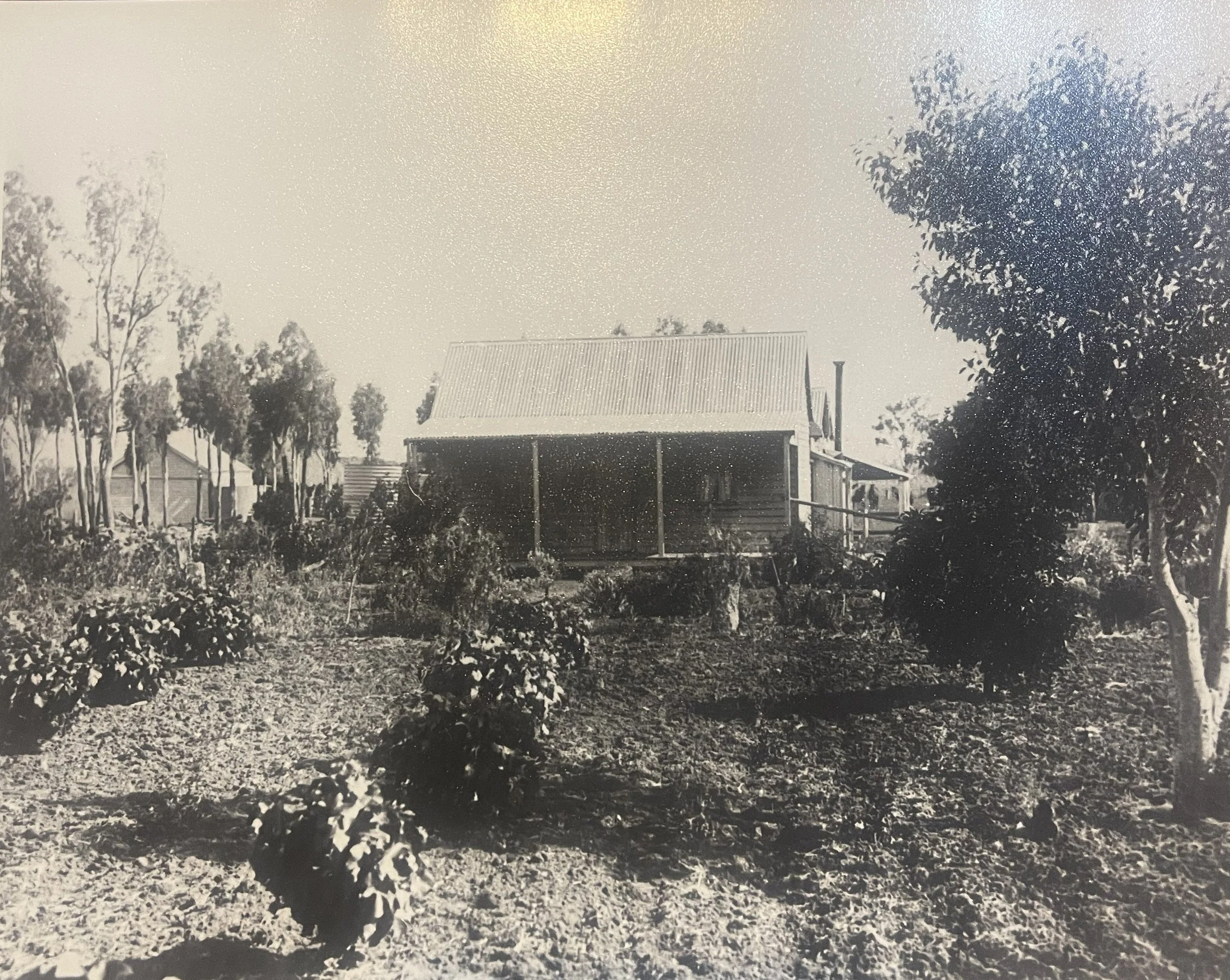
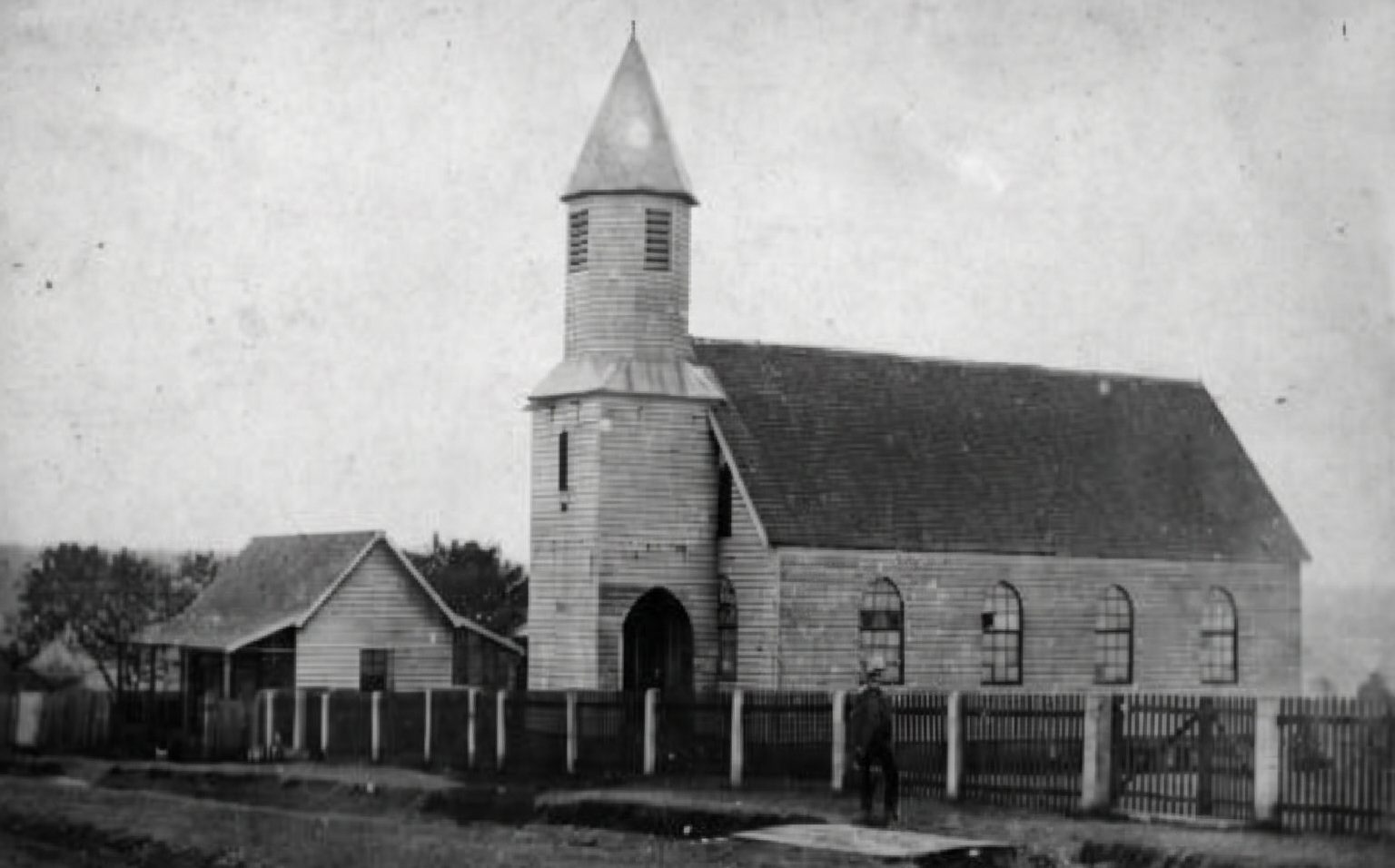
Written by Sam Kirby
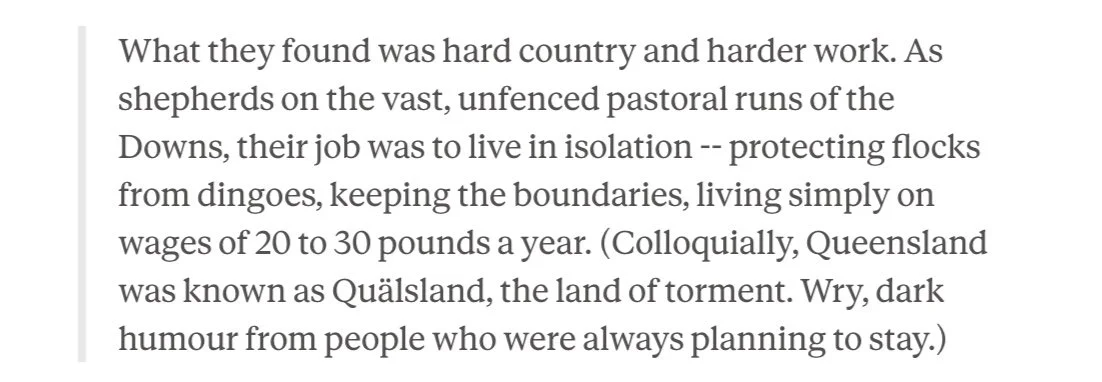
German immigration to the Darling Downs began in the 1850s. It was driven by a simple problem. The pastoral properties of the region desperately needed workers - but all the workers were leaving. Gold had been found at Ophir and Ballarat. Eureka. The Darling Downs, suddenly, was the last place anyone wanted to be.
The solution, it seems, would come from an unlikely source - a Drayton storekeeper named Edward Lord, who had lived in Germany, spoke the language, and understood its people.
Calling a meeting at the Royal Bull's Head Inn in Drayton, it would be Lord who would convince the squatters to dispatch him personally to the German states to recruit workers. By 1854 he had made the journey - and in March 1855, two ships - the Marbs and the Aurora - arrived at Moreton Bay direct from Hamburg.
German unification was still two decades away, and the failed revolutions of 1848, and the impact of the poor harvests in the 'Hungry Forties', had left a generation politically disillusioned and economically squeezed. Filled with the promise and optimism of rich soil, fine pasture, and the chance to build something of their own - close to 1,000 German settlers arrived from the states of Prussia, Pomerania, Silesia and beyond - bringing with them their language, their faith, their food, and their music.
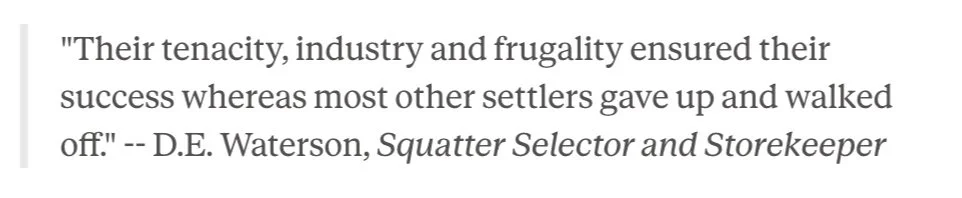
"[It was] their tenacity, industry and frugality that ensured their success, whereas most other settlers gave up and walked off." D.E. Waterson, Squatter Selector and Storekeeper
Within a generation, the landscape around Drayton and Toowoomba had been transformed - not just into farmland, but into a region of orchards, vineyards and farms that bore little resemblance to the scrubland the first settlers had found.
By the mid-1860s, Germans made up more than one in ten of the Darling Downs population - a remarkable proportion for a region still finding its feet. More kept coming through the following decades, drawn by the communities already taking root, until Queensland counted more German-born residents than any other state in the country.
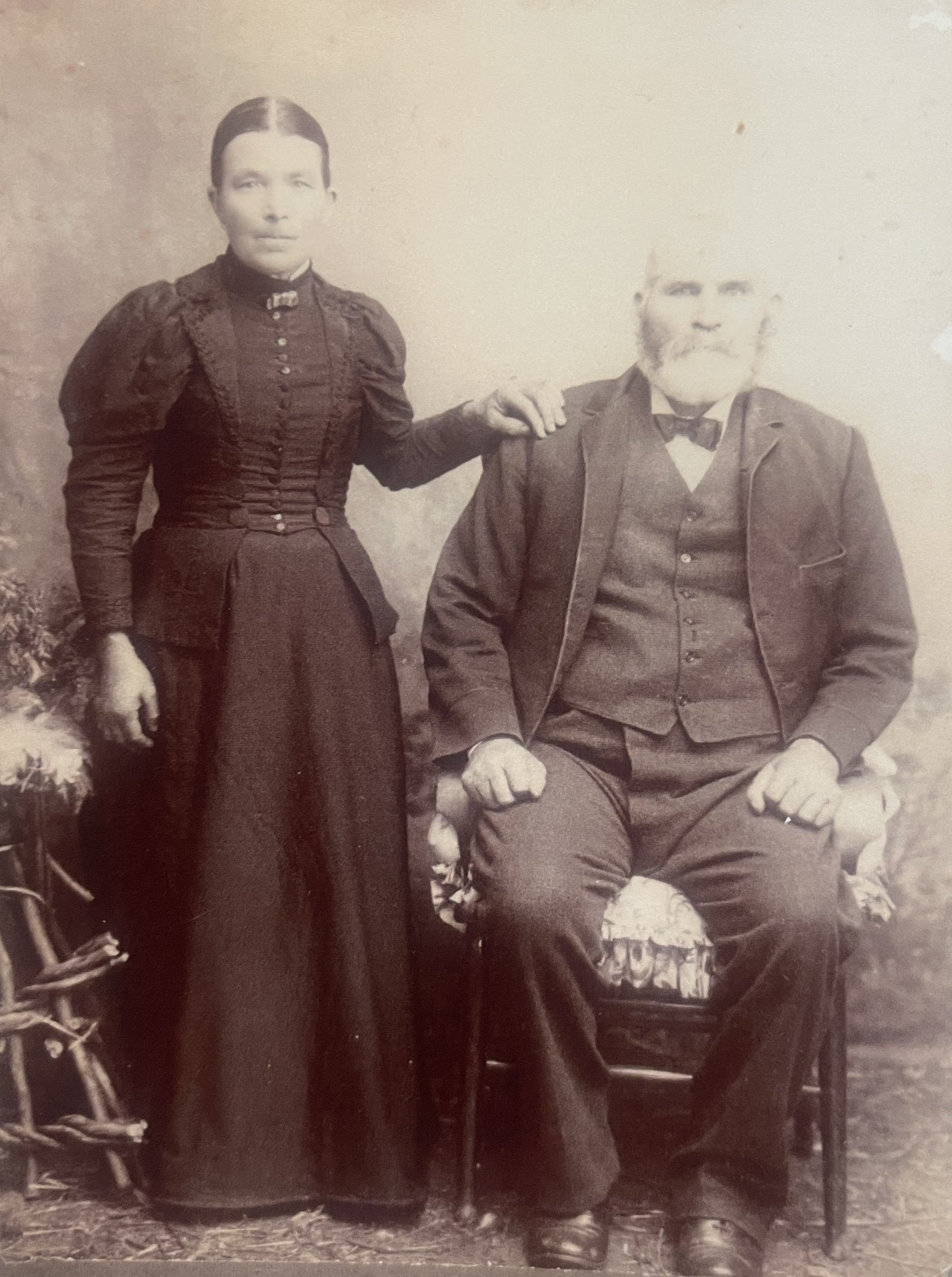
Middle Ridge, Drayton, Meringandan, Glencoe, Goombungee, Pittsworth - all homed German farming communities (my own family included) on the modest blocks of red scrub soils, building lives that looked, in time, remarkably like the ones they'd left.
On the blocks of Middle Ridge, German families were producing award-winning wines by the end of the century.
In Toowoomba, skilled German tradesmen helped build much of the city we know today - stonemasons, blacksmiths, cabinetmakers, butchers, doctors.
Figures emerged like Frank Riethmuller, born in 1884 in Glenvale - just outside Toowoomba - to German immigrant farmers. He would go on to become one of Australia's most celebrated rose breeders, eventually known as the King of the Roses.
(Today, the Queensland State Rose Garden in Toowoomba is home to a dedicated Frank Riethmuller collection - described as the largest collection of Riethmuller roses in any public garden in the world.)
Joseph Rub, a German carpenter who settled in Drayton, would go on to become the Mayor of Drayton (a separate township at that stage).
Others, like Francis Kates, a German-born farmer, and Jacob Horwitz, a storekeeper, won seats in Parliament. Between 1878 and 1893, two German-born men were representing Darling Downs constituencies in Brisbane - a quiet measure of just how deeply this community had taken root.
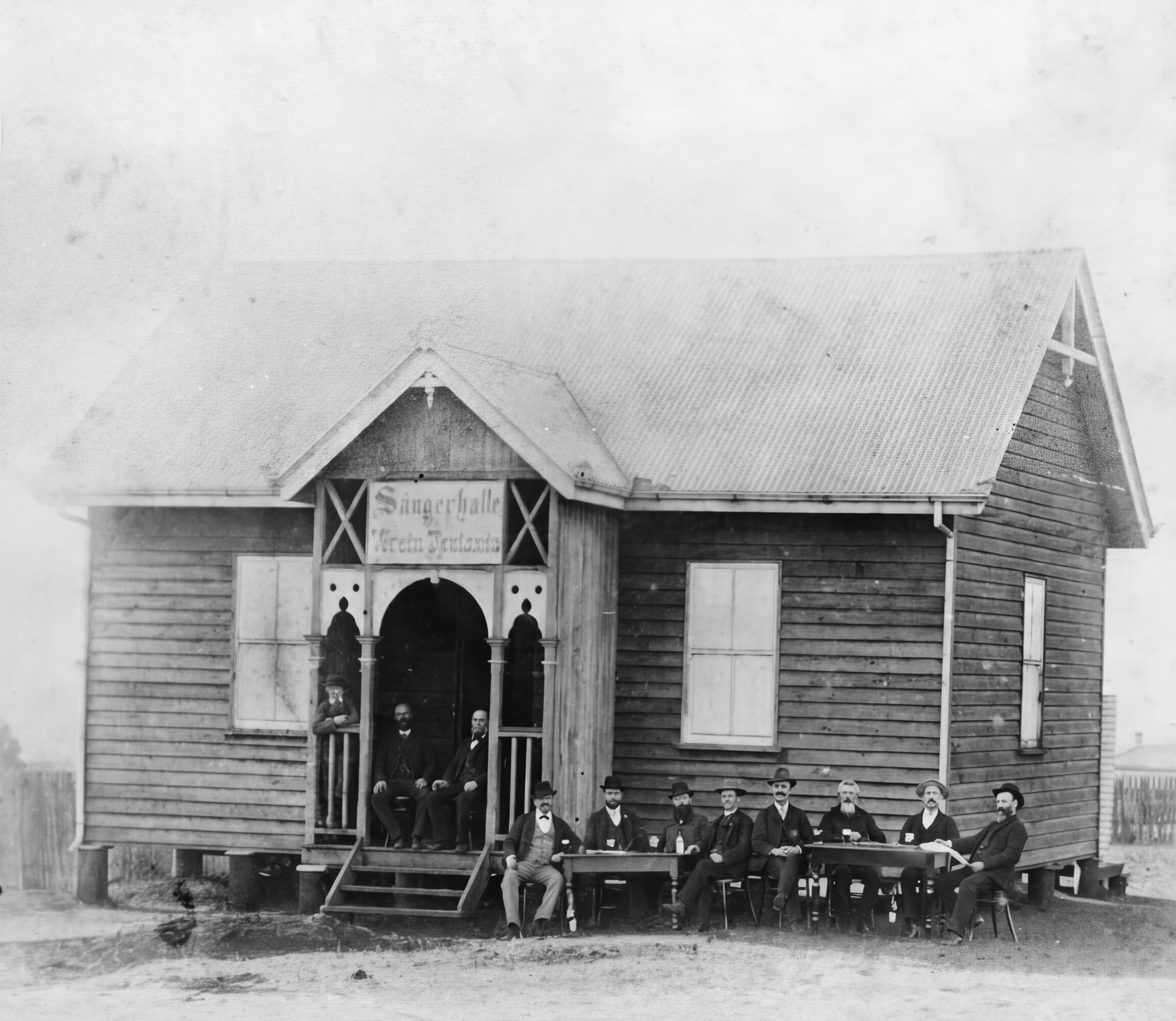
The Deutsche Halle (left), Toowoomba's German Club, became a cornerstone of social life by the 1890s, and by 1891, there were 4,286 professed Lutherans on the Downs.
When the First World War arrived - so too did a chapter of quiet change. For reasons both practical and painful, families and communities changed their names, 'Bismarck' became 'Maclagan', 'Engelsburg' became 'Kalbar'. The German clubs were shuttered and the brass bands, at least for a while fell quiet.
But the community never really left. It simply shifted into the city and region we have today.
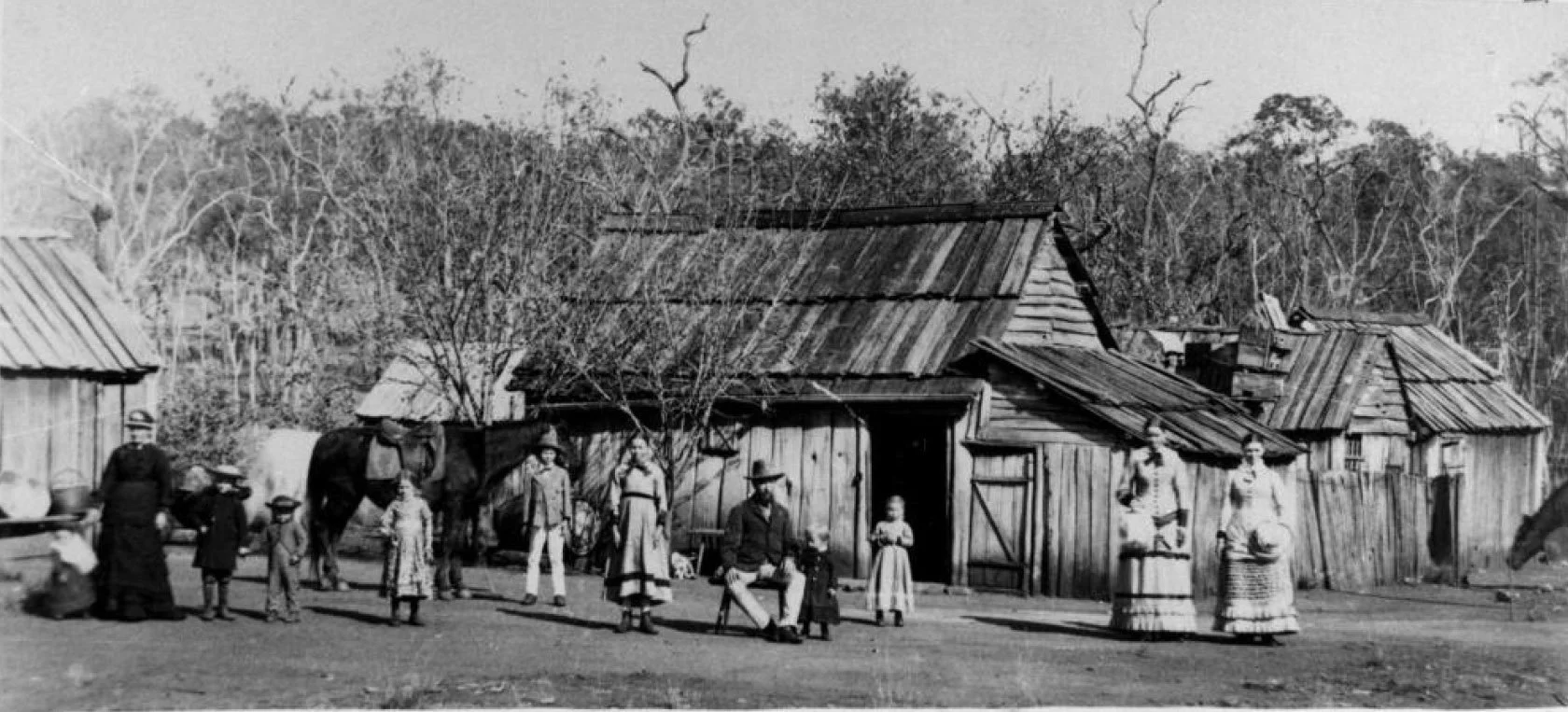
At home, the women kept the culture alive - maintaining the faith, the food, and the small rituals that made their weatherboard cottages feel rooted in both the culture they had come from and the one they were building.
What those early settlers understood - is that community is not accidental. It is built. It is chosen. It is celebrated, loudly and often, so that it does not fade quietly away.
The Germans who came to the Darling Downs in the 1850s built something remarkable here. They cleared the scrubland and planted orchards. They laid foundations and raised steeples. They voted as a bloc and marched to the polls with brass bands because they understood that participation - in civic life, in community, in the shared project of making a place home - was worth doing with pride and with noise.
It's the reason why celebrations like The Toowoomba Carnival of Flowers, and now, once more, Oktoberfest are so important - a reminder of not just who we are, but who we were, where we came from, and a celebration of what's to come.
With Oktoberfest returning to the Darling Downs this October, Toowoomba is not importing a German tradition; it is reclaiming one - as well as a heritage and legacy that have always been part of that story.
Do you have a campaign we should know about? Please let us know!