Hidden In Plain Sight
Few people associate Toowoomba with archaeology. And yet, what many do not realise is that just below the surface of one of our most-loved parks lie stories of hardship, resilience, and community, and nearly a century of hidden history waiting to be uncovered.
Written by Sam Kirby.
Photography: Courtesy UniSQ.
Historic Images: Local History and Robinson Collections, Toowoomba Region Libraries
Somewhere in Redwood Park, beneath the hoop pines and eucalypts, there is a secret that most Toowoomba people have never heard of.
Not a secret, in the sense of something deliberately hidden - but one that, over the years, from season to season, was quietly lost to memory for all but a few.
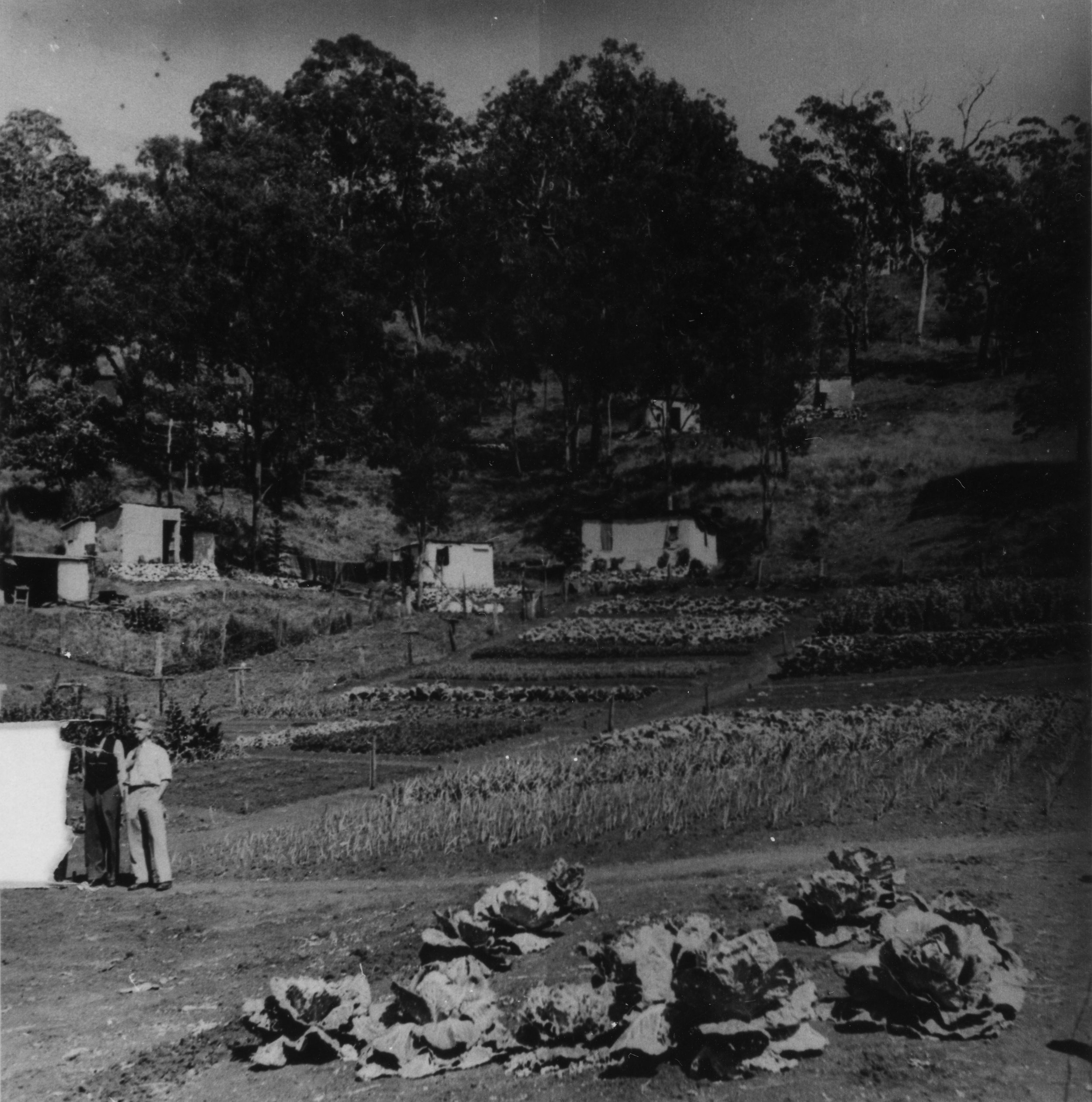
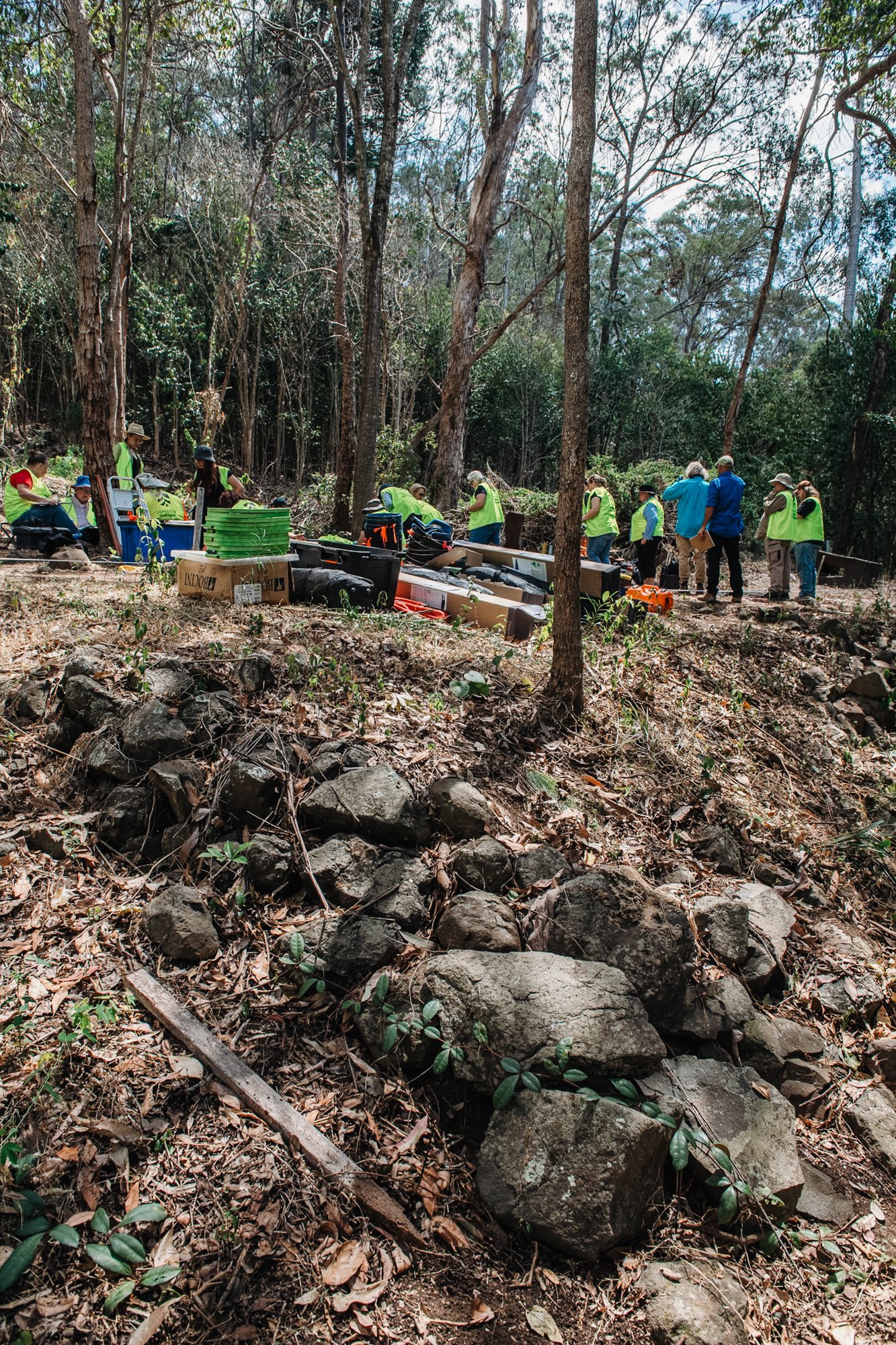
Walk Redwood's paths on any given morning, and you'll pass dog walkers, joggers, and families on bikes. What you won't see - what almost nobody sees - is what's underneath. The remains of huts. Cobblestone paths. The fragments of vegetable gardens and flower beds, tended with extraordinary care by men who had nothing but time, pride, and each other.
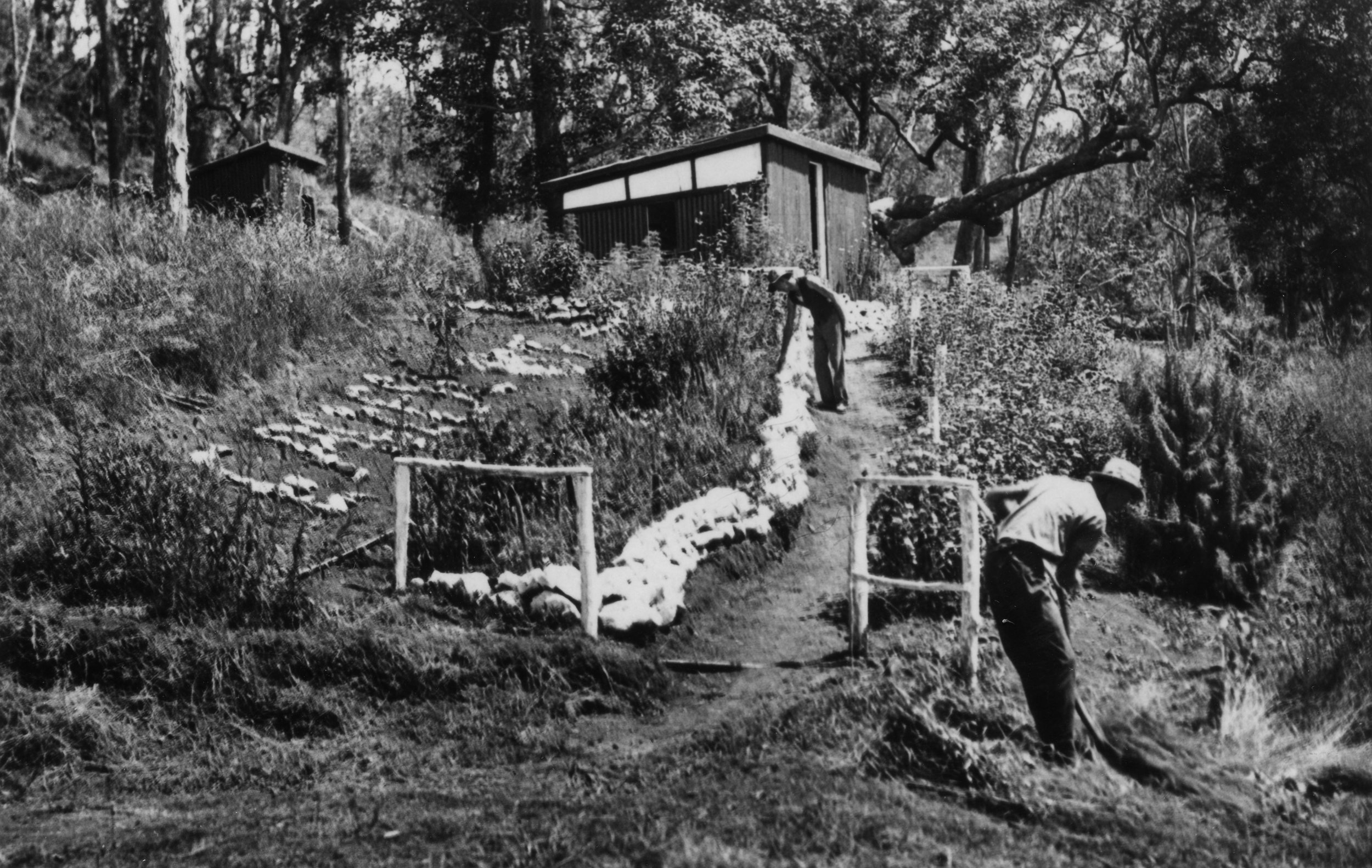
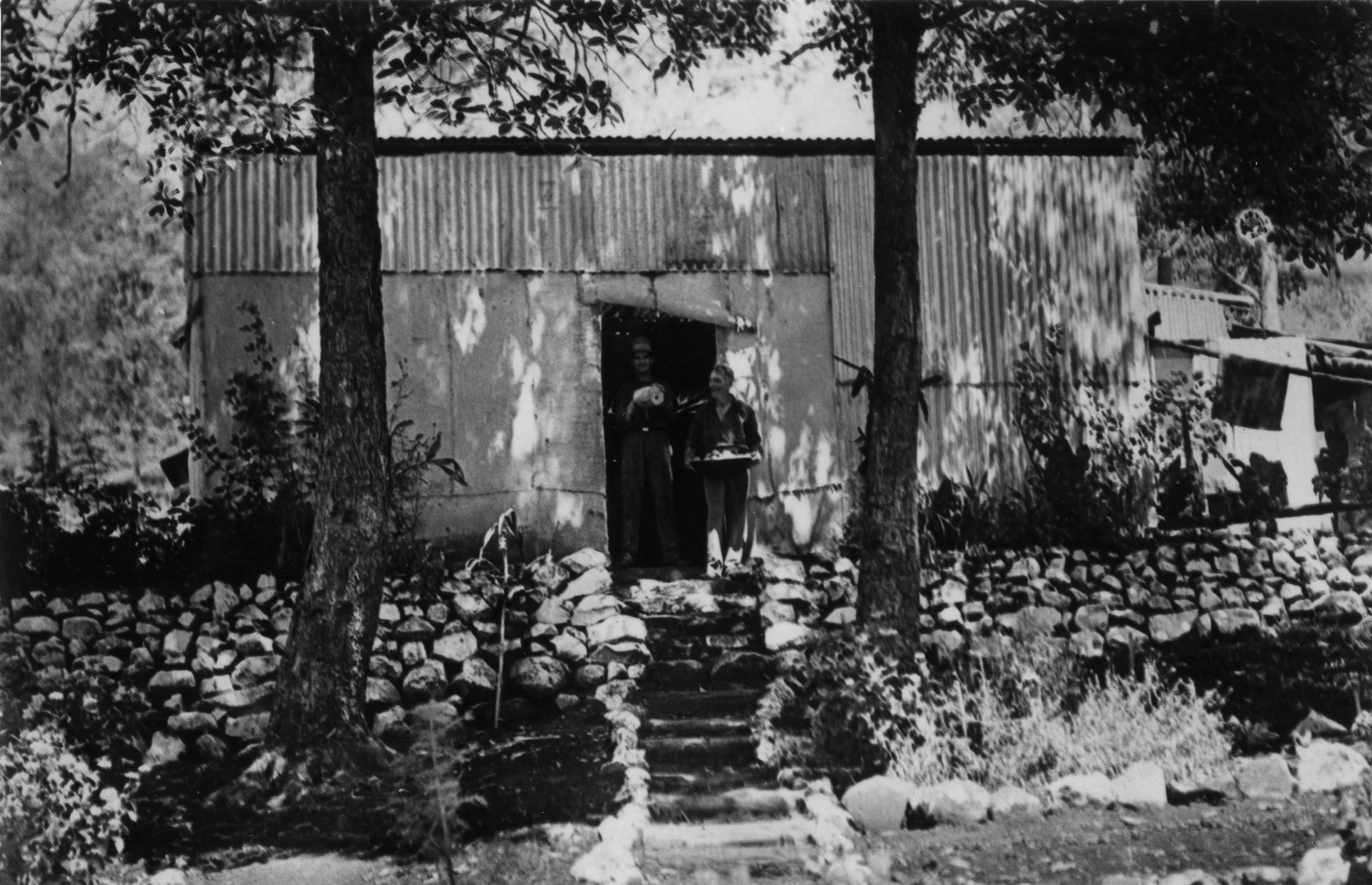
Local History and Robinson Collections, Toowoomba Region Libraries
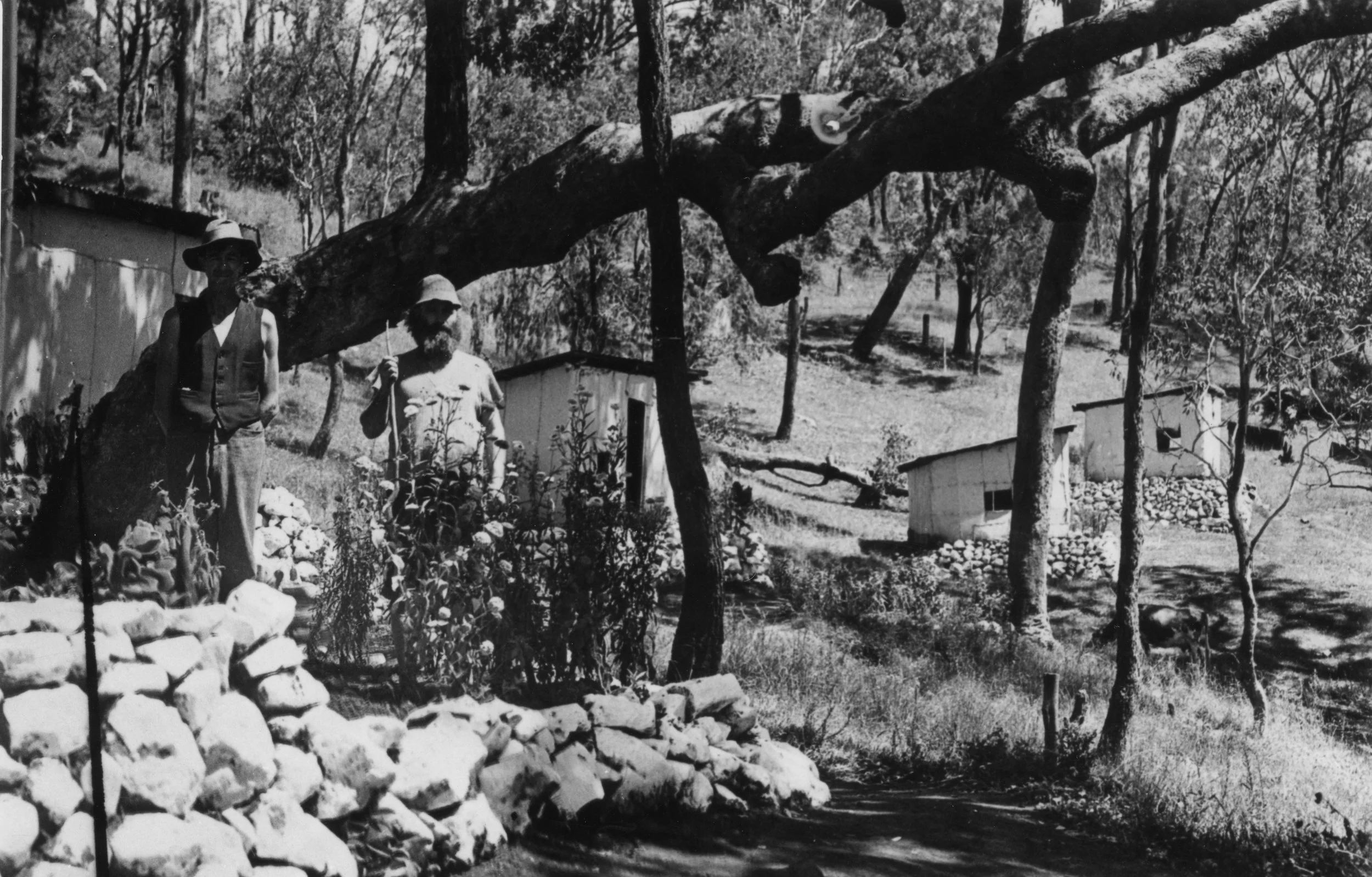
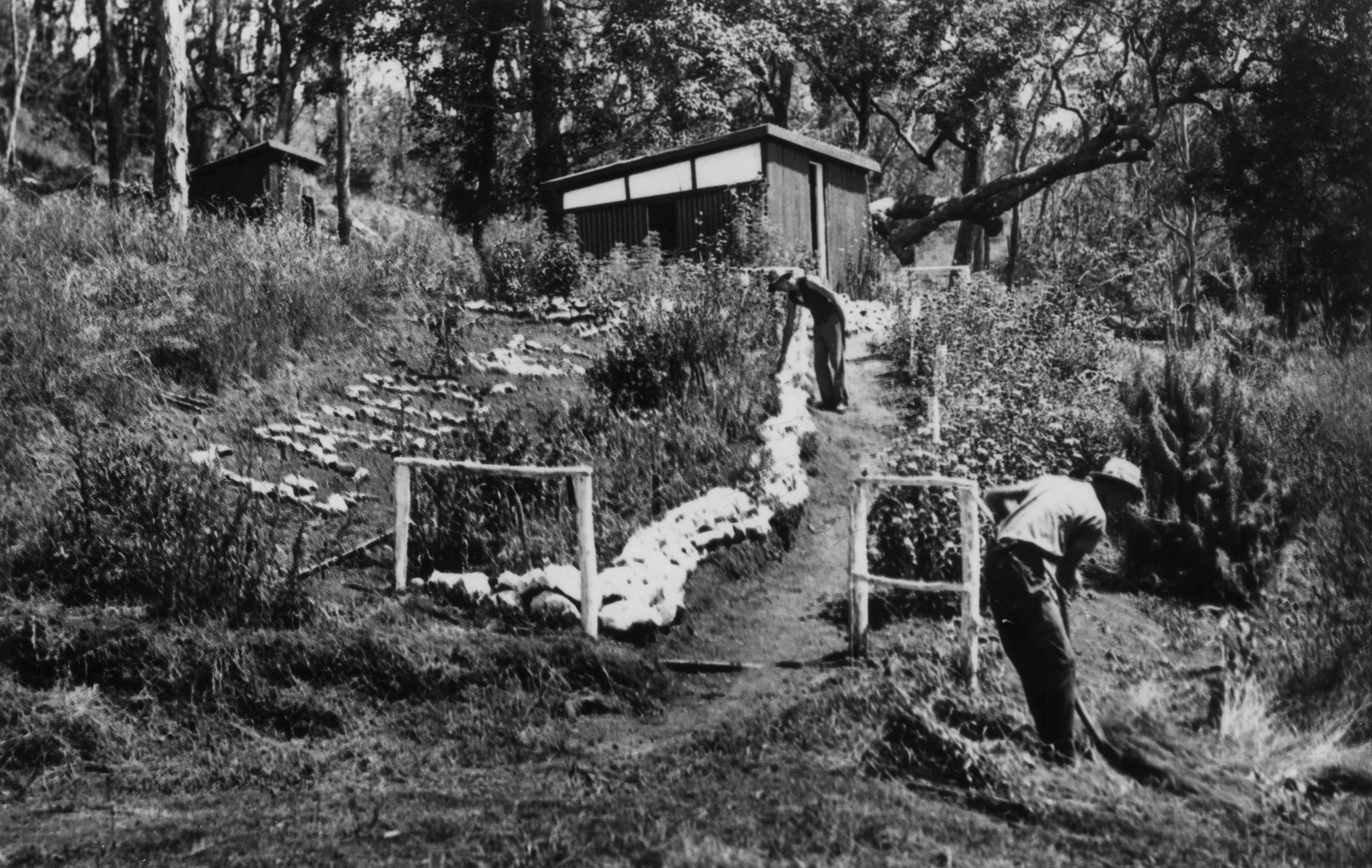
Eagles Nest Camp. Built in 1929. One of the only known camps of its kind in Queensland. Sitting quietly in Toowoomba's own backyard for nearly a century - and, not unlike the archaeology program that has been uncovering it, hiding in plain sight all along.
1929 - the year the world changed. The Great Depression had arrived, and with it, unemployment, displacement, and desperation on a scale Australia had never seen. It had emptied men from their lives. Work disappeared. Families fractured. Across the country, men moved - on foot, by rail, by any means available - searching for something, anything. Toowoomba became a destination not because of what it offered - work wasn't available here either - but because of what it was willing to give.
In 1931, an anonymous resident put pen to paper and wrote to the Toowoomba Chronicle. He described the camp - his home - as "a bright patch of sunlight and peace in the midst of a very stormy and troubled time."
We don't know his name. We don't know where he came from. We know only that he was one of hundreds of men who made their way to Toowoomba during the Great Depression - some from interstate, many with nothing - because this was one of the only places in the country offering shelter, food, and something resembling dignity.
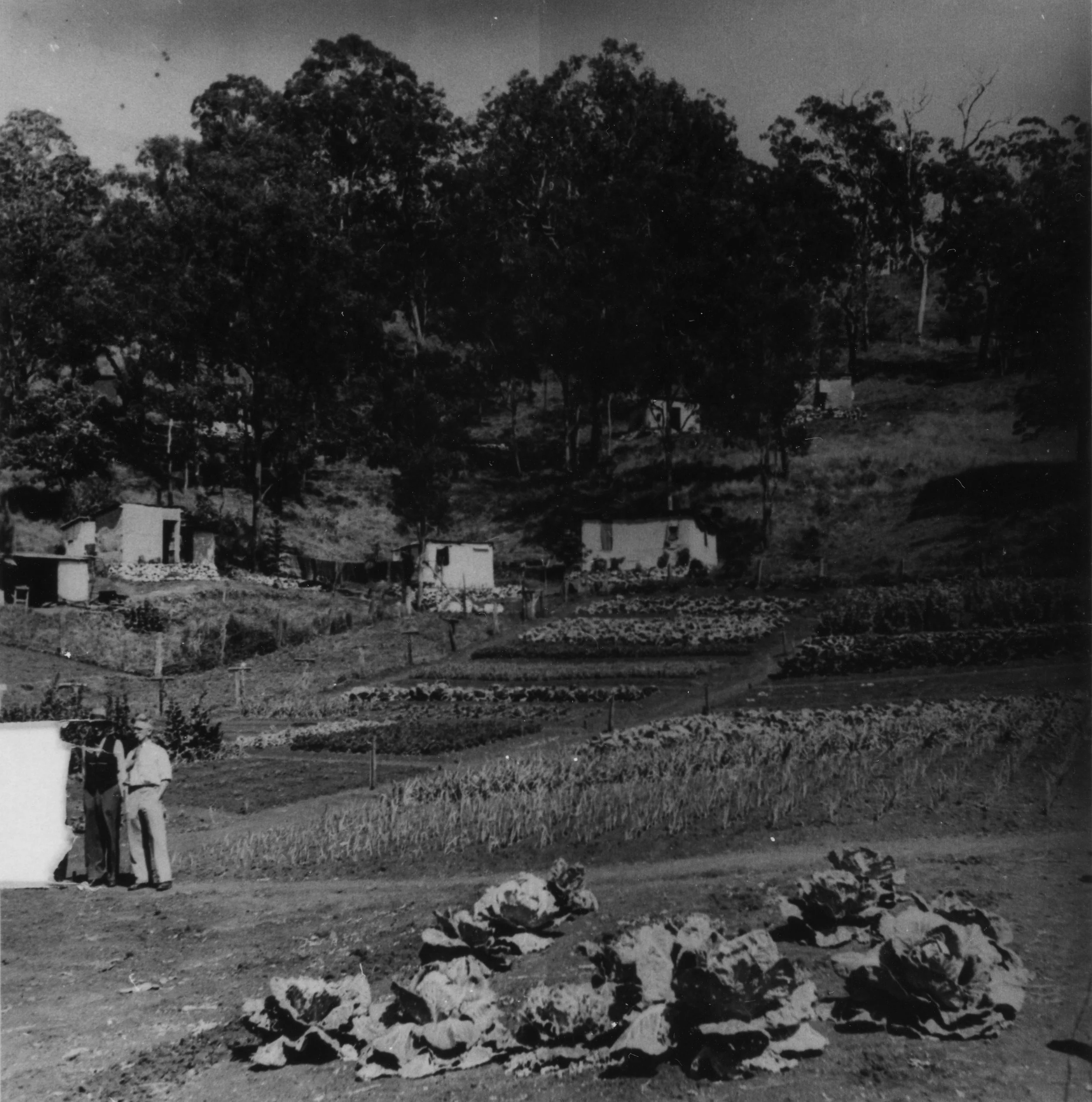
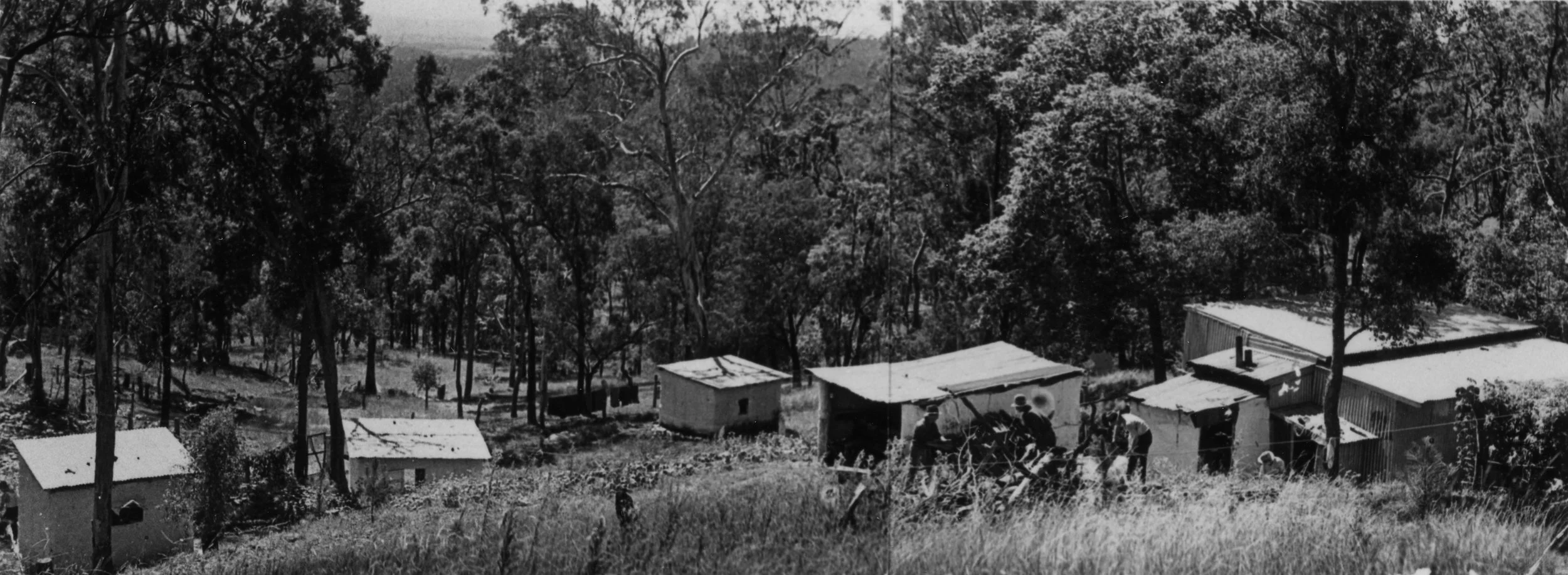
Local History and Robinson Collections, Toowoomba Region Libraries
They built the camp themselves. They grew their own food, laid their own cobblestone paths, planted flower beds. The Toowoomba community rallied: local butchers donated offcuts, restaurants gave leftover meals, retailers offered clothes and shoes. Someone donated a gramophone. Someone donated books to start a library.
In the middle of one of the hardest periods in Australian history, a community in Toowoomba decided that these men deserved more than survival. They deserved a life. And it was a place where they could find one.
"Many people today wouldn't realise the profound impact the Great Depression had on our society," says University of Southern Queensland (UniSQ) Professor Bryce Barker, who has spent four decades uncovering the stories that history left behind. "Having physical evidence like the Eagles Nest site provides an important reminder - not just for students, but for all of us."
That story has been waiting underground ever since.
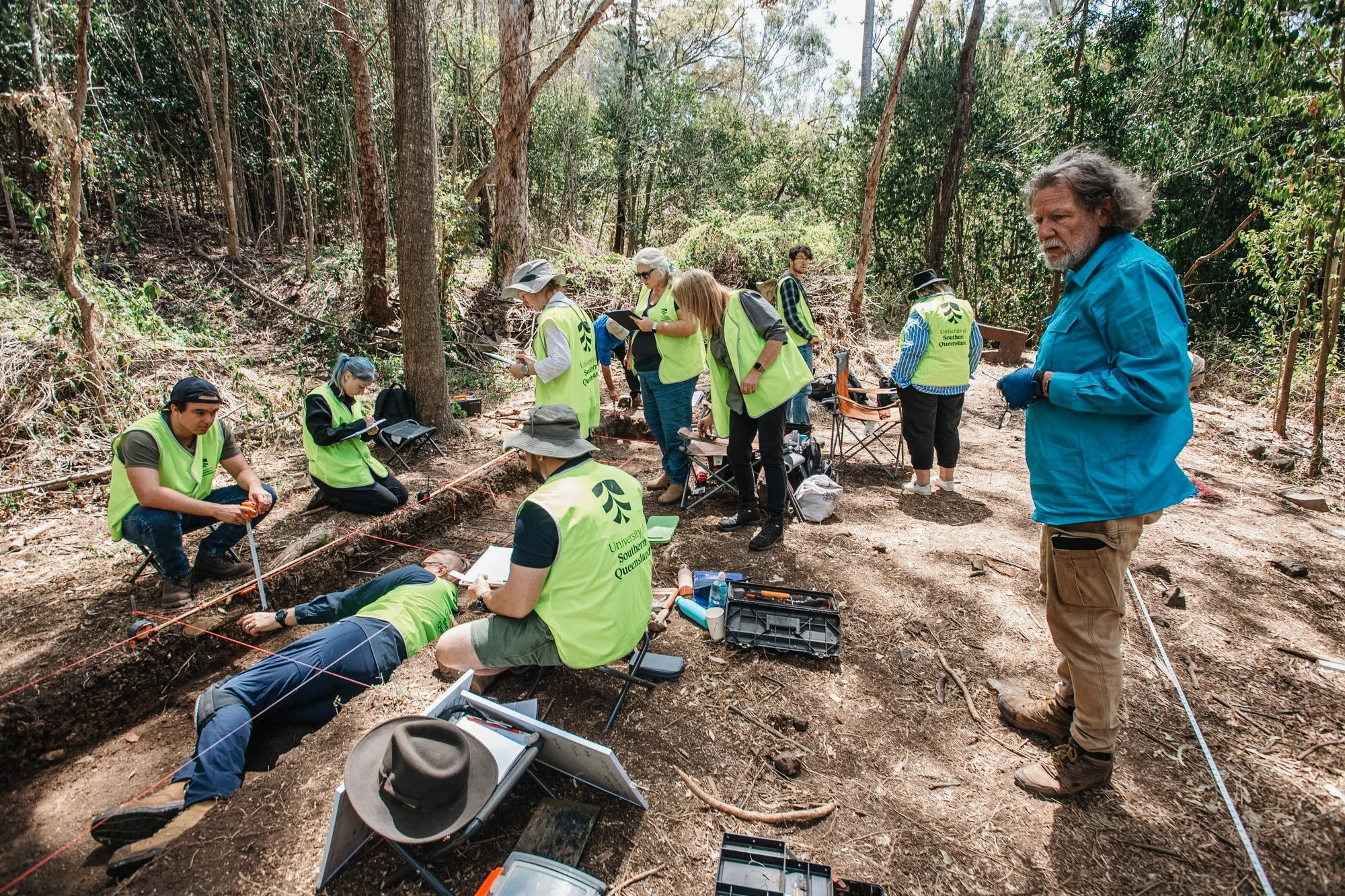
In 1994, vegetation clearing in Redwood Park exposed what remained of the camp, prompting UniSQ to investigate, with researchers returning to the site ever since.
What they've found over three decades of excavation is, in many ways, more human than the official record suggested.
The historical accounts from the time painted Eagles Nest as a model camp - orderly, sober, a shining example of community generosity. The men themselves went to extraordinary lengths to reinforce that image. Carefully cobbled paths. Whitewashed stone borders. A sign laid out in whitewashed rocks at the entrance reading simply: Eagles Nest. Immaculate vegetable gardens. Flower beds outside every hut.
"Historical accounts of the time were going to some lengths to portray the camp in a positive light," says Professor Barker, who leads UniSQ's archaeology program and has spent four decades working across some of the most significant sites in our region. "However, the archaeology provides a slightly different picture."
It is a reminder of what archaeology can do that written history cannot. Documents record what communities wanted people to know. The ground records what actually happened.
Historical accounts from men who lived at Eagles Nest speak openly of the embarrassment of taking charity, even as they understood their unemployment was no fault of their own. They responded not with despair but with effort. Every whitewashed stone, every cobblestone path, every carefully tended garden bed was a quiet statement: we are not lazy. We are not nothing.
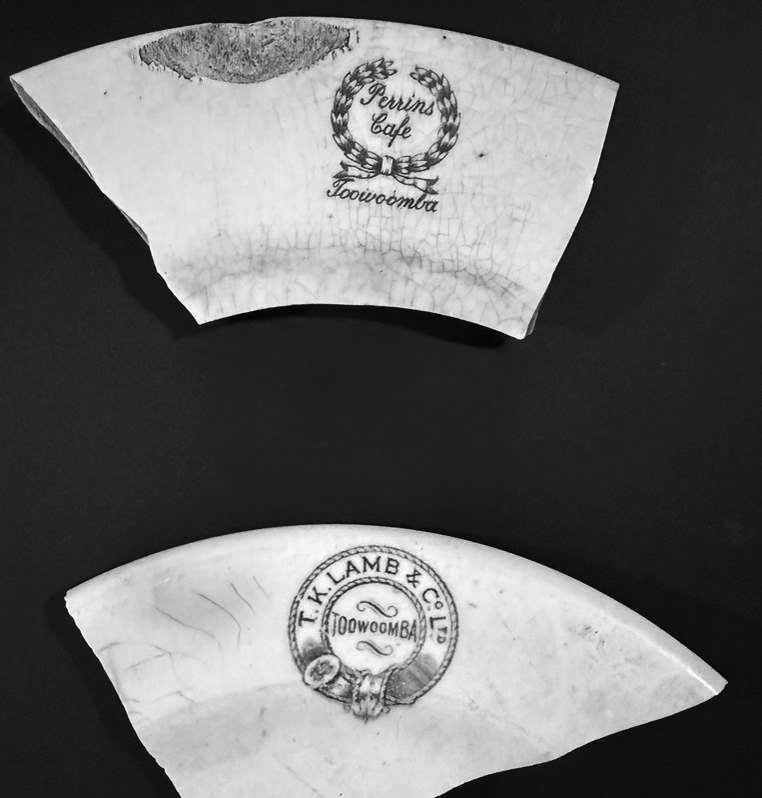
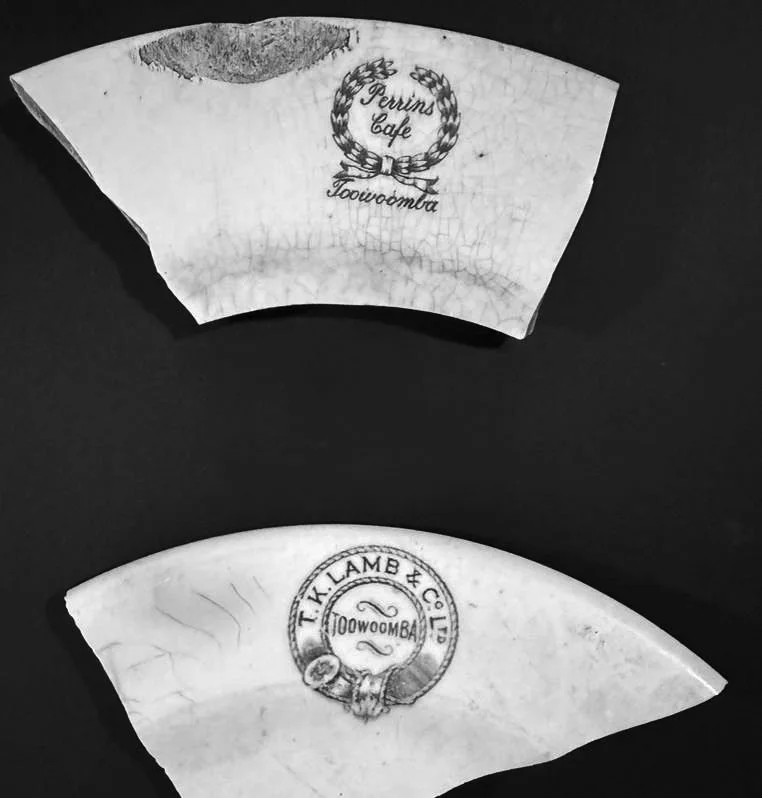
And ceramics bearing the logos of Toowoomba businesses - Lambs Café, Alexandra Café - still turn up in the excavations today. Physical proof of a community that showed up.
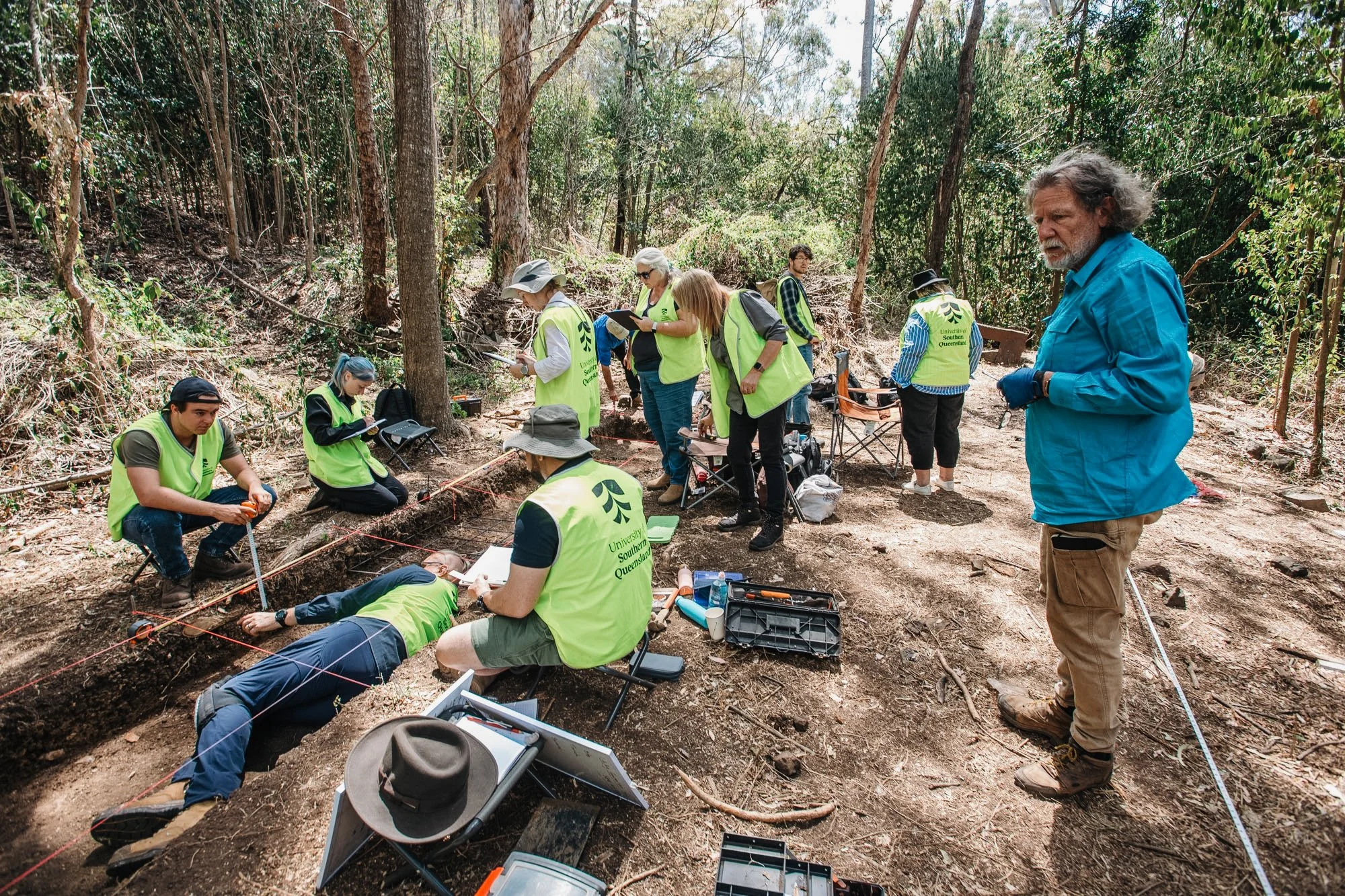
Now in its third year as a public field school, UniSQ's annual excavation at Eagles Nest is inviting Toowoomba, and anyone else who is curious, to be part of what gets uncovered next.
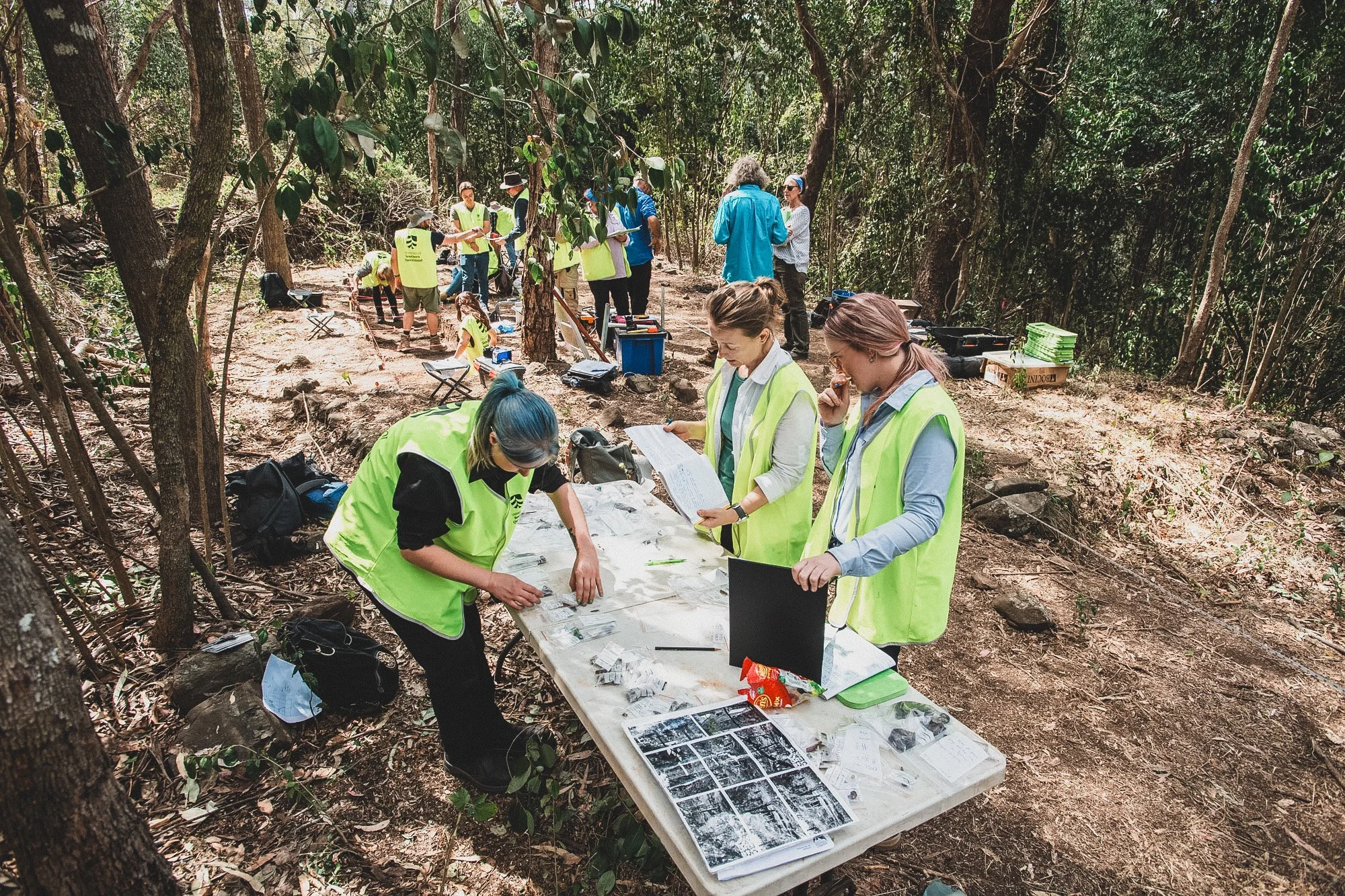
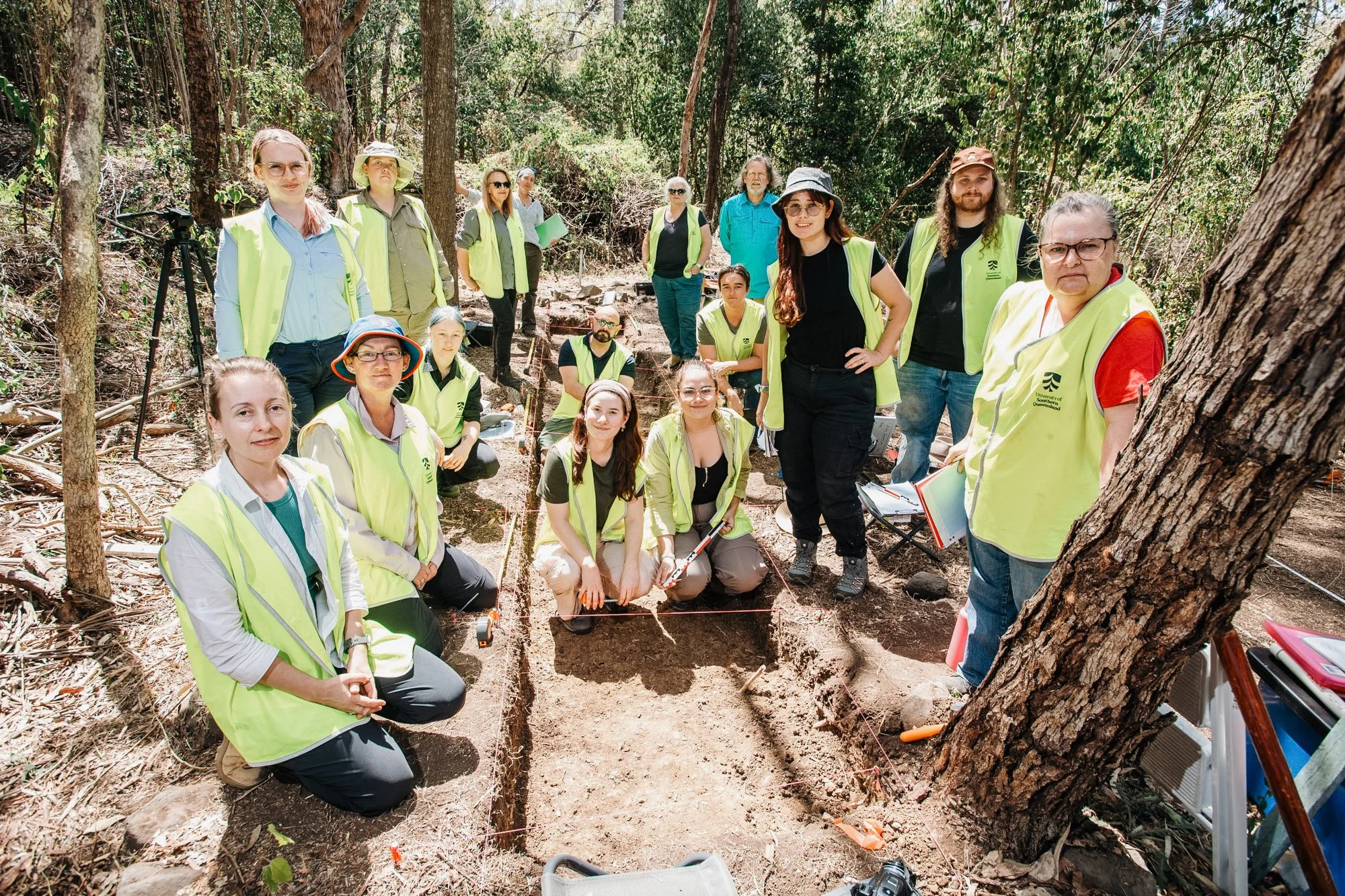
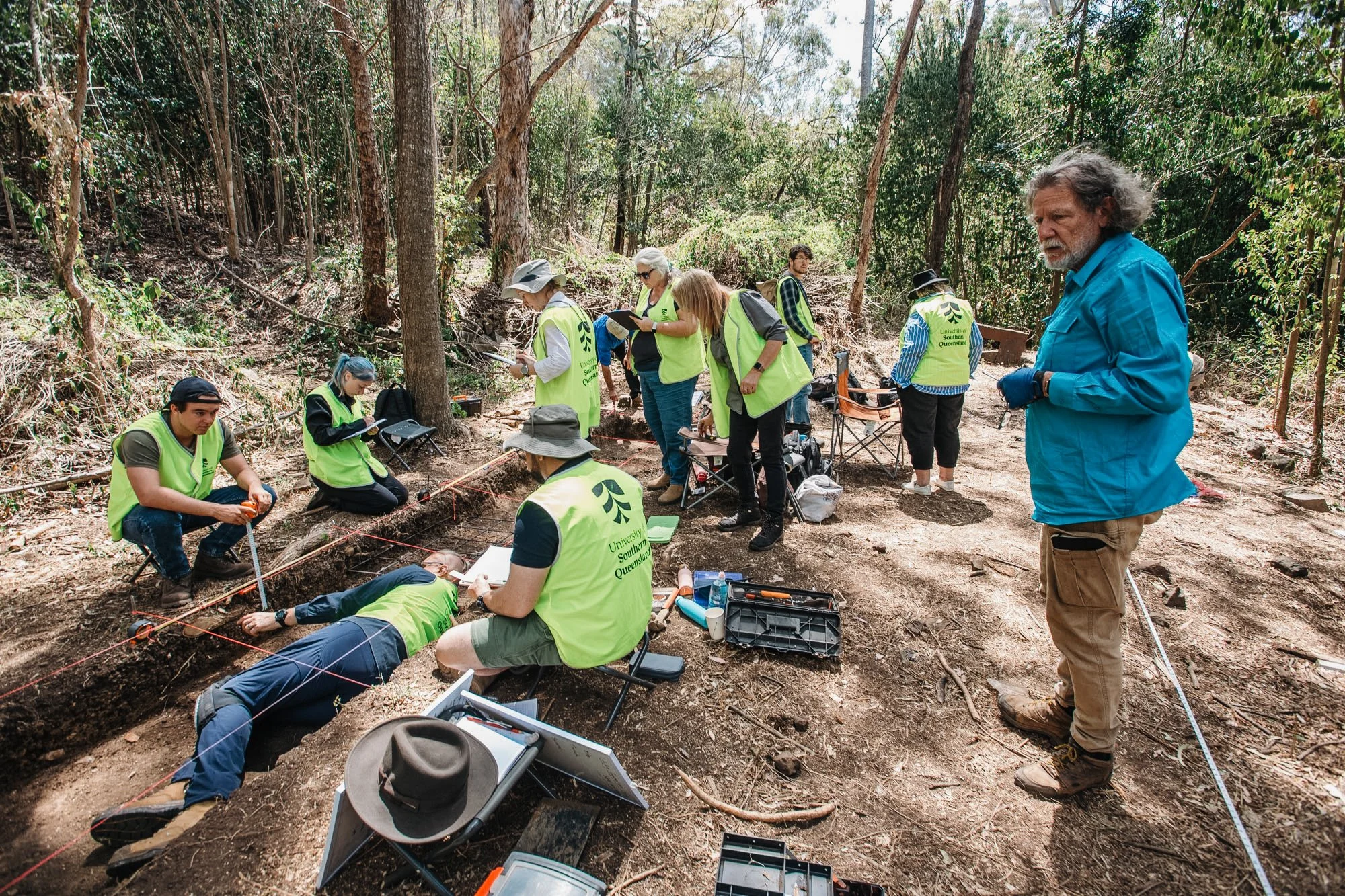
Led by Professor Barker, the 2026 Archaeology Field School runs 20–24 July at Redwood Park. Participants are divided into teams of three, each with their own excavation square. The work is slow and precise - 3cm at a time, carefully sieved and catalogued. But that, Barker says, is exactly the point.
"Participants will have the opportunity to experience all facets of scientific archaeological excavation - skills applicable to anywhere in the world."
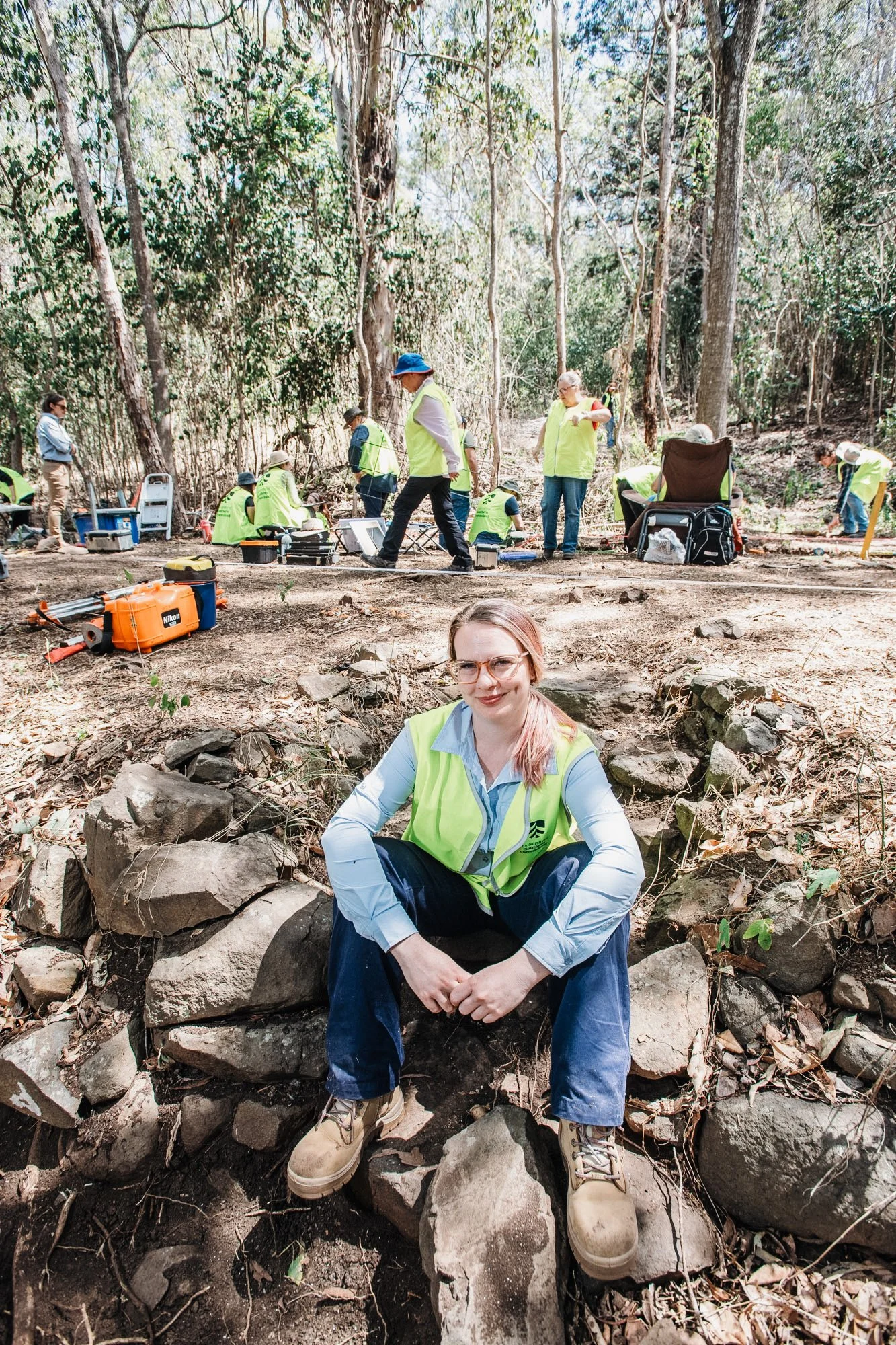
This year's focus is a series of large stone structures near the old gardens, whose purpose remains unknown. Most of the site is still unexcavated, which is part of what makes Eagles Nest so valuable. It is, simultaneously, a training ground and an active research project, and the two feed each other.
For Frances Hicks, who first joined the field school in 2023, that combination changed everything. She came back in 2024. And again in 2025. Her honours thesis now explores the archaeology of homelessness, threaded directly through the history of Eagles Nest Camp.
"It's pretty special having this site in my proverbial backyard," she says, "and being able to be part of ongoing archaeology rather than a mock site."
Fellow participant Victoria Wood put it simply: "Being able to come here and unearth these things, and be the first person to see some of these items in almost a hundred years, has been an absolute privilege."
Toowoomba has a way of holding its history quietly. The range, the gardens, the old buildings - they carry the past without always announcing it. Eagles Nest Camp is perhaps the most striking example of that. A heritage-listed site, hidden in plain sight, in a park where people eat their lunch.
"These familiar landscapes contain all of these hidden histories and meanings that are often overlooked," says Barker. "Ordinary places preserving traces of significant historical events and social experiences."
Eagles Nest isn't the only story UniSQ has helped bring back to the surface. Excavations in Queens Park uncovered the foundations of the old conservatory, built in 1891 and lost to memory for decades. The Royal Bull's Head Inn has offered up its own buried chapter. Toowoomba, it turns out, has a habit of hiding its history in plain sight.
It is, perhaps, what archaeology does best - it finds the stories that time forgot, and hands them back to the people they belong to.
To find out more about archaeology and explore your study options, visit the UniSQ Open Day in Toowoomba on Saturday 15 August. www.unisq.edu.au
Do you have a campaign we should know about? Please let us know!